Professional Food Storage Container Manufacturer | Premium Quality Solutions & Custom Design Services

All Categories
Get a Quote

Get a Free Quote

Our representative will contact you soon.
Email
Phone
Company Name
Message
0/1000

food storage container manufacturer

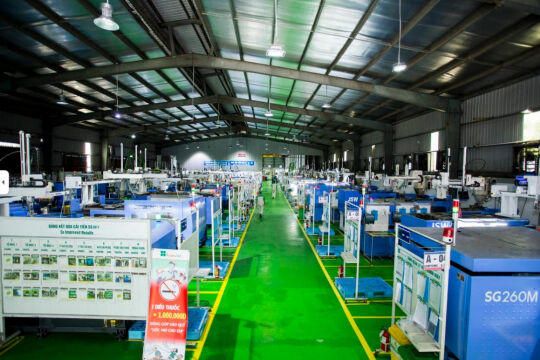
A food storage container manufacturer represents a specialized industrial entity dedicated to designing, producing, and distributing innovative storage solutions for preserving food freshness and quality. These manufacturers operate sophisticated production facilities equipped with advanced injection molding machines, vacuum forming equipment, and precision assembly lines that transform raw materials like BPA-free plastics, borosilicate glass, and food-grade silicone into durable storage containers. The primary function of a food storage container manufacturer encompasses comprehensive product development, from initial concept design through final quality testing, ensuring each container meets stringent food safety regulations and consumer expectations. Modern food storage container manufacturers integrate cutting-edge technologies including multi-layer barrier systems that prevent moisture infiltration, advanced sealing mechanisms featuring silicone gaskets and locking mechanisms, and antimicrobial surface treatments that inhibit bacterial growth. These technological features enable containers to maintain optimal storage conditions, extending food shelf life significantly compared to traditional storage methods. The applications of products from a food storage container manufacturer span diverse sectors including residential kitchens, commercial restaurants, industrial food processing facilities, and retail grocery chains. Home consumers utilize these containers for meal preparation, leftover storage, and pantry organization, while commercial establishments rely on bulk storage solutions for ingredient preservation and portion control. The manufacturing process involves rigorous quality control protocols, including leak testing, durability assessments, and chemical migration analysis to ensure product safety. Leading food storage container manufacturers also prioritize sustainability by incorporating recycled materials and developing biodegradable alternatives. Their research and development departments continuously innovate new designs featuring modular stacking systems, transparent materials for easy identification, and specialized compartments for different food types. The global reach of established food storage container manufacturers enables them to serve international markets while adapting products to regional preferences and regulatory requirements, making them essential partners in modern food preservation ecosystems.

New Products

Working with a reputable food storage container manufacturer delivers numerous compelling advantages that directly impact your business operations and customer satisfaction. First, you gain access to superior product quality that ensures consistent performance and reliability. These manufacturers implement rigorous testing procedures that verify each container's ability to maintain airtight seals, resist temperature fluctuations, and withstand repeated use without degradation. This quality assurance translates into reduced product returns, enhanced customer trust, and stronger brand reputation for your business. Cost efficiency represents another significant advantage when partnering with an established food storage container manufacturer. Their economies of scale enable competitive pricing structures while maintaining premium quality standards. Bulk purchasing options and flexible minimum order quantities accommodate businesses of various sizes, from small retailers to large distribution networks. Additionally, streamlined production processes and optimized supply chain management result in faster turnaround times and reduced inventory holding costs. Innovation stands as a core advantage offered by leading food storage container manufacturers. These companies invest heavily in research and development, continuously introducing new features such as improved locking mechanisms, enhanced material compositions, and ergonomic designs that appeal to modern consumers. By partnering with innovative manufacturers, you access cutting-edge products that differentiate your offerings in competitive markets. Customization capabilities provide another valuable advantage, allowing you to develop unique product lines tailored to specific market segments or brand requirements. Experienced food storage container manufacturers offer comprehensive customization services including color matching, logo printing, packaging design, and size modifications. This flexibility enables you to create distinctive product portfolios that align with your marketing strategies and customer preferences. Regulatory compliance expertise ensures all products meet international food safety standards and certification requirements. Professional manufacturers maintain detailed documentation, conduct regular audits, and stay current with evolving regulations across different markets. This compliance support reduces legal risks and facilitates smooth market entry in various geographical regions. Finally, reliable supply chain management and logistics support ensure consistent product availability and timely deliveries, enabling you to maintain optimal inventory levels and meet customer demands effectively.

Latest News

Company Development

25

Sep

Company Development

View More
CIS Plastic Expands Rapid OEM Service – Powered by Factories in Vietnam and China

25

Sep

CIS Plastic Expands Rapid OEM Service – Powered by Factories in Vietnam and China

View More
CIS Plastic’s Hung Yen Factory Becomes a Key Partner for U.S. Retailers’ Supply Chain Diversification

25

Sep

CIS Plastic’s Hung Yen Factory Becomes a Key Partner for U.S. Retailers’ Supply Chain Diversification

View More

Get a Free Quote

Our representative will contact you soon.
Email
Phone
Company Name
Message
0/1000

food storage container manufacturer

Advanced Multi-Layer Barrier Technology for Superior Food Preservation

Advanced Multi-Layer Barrier Technology for Superior Food Preservation

Leading food storage container manufacturers have revolutionized food preservation through the development and implementation of advanced multi-layer barrier technology, a sophisticated engineering solution that significantly extends food freshness and maintains nutritional value. This innovative technology involves creating container walls with multiple specialized layers, each serving a specific preservation function. The outer layer provides structural integrity and impact resistance, while interior layers incorporate oxygen barriers, moisture control systems, and UV protection elements. The oxygen barrier layer utilizes advanced polymer compositions that dramatically reduce oxygen permeation rates, effectively slowing down oxidation processes that cause food spoilage, rancidity, and flavor degradation. This technology proves particularly beneficial for storing nuts, oils, and other oxygen-sensitive products that traditionally have short shelf lives. The moisture control layer employs hygroscopic materials and vapor barrier properties to maintain optimal humidity levels within containers, preventing moisture-related issues such as mold growth, texture changes, and nutrient loss. This feature becomes especially valuable when storing dried goods, baked products, and fresh produce that require specific humidity conditions for optimal preservation. UV protection layers shield stored foods from harmful ultraviolet radiation that can break down vitamins, alter colors, and create off-flavors, making these containers ideal for transparent storage solutions that allow easy content identification without compromising food quality. The manufacturing process for multi-layer barrier technology requires precision engineering and quality control measures that ensure consistent layer adhesion, uniform thickness distribution, and long-term performance reliability. Food storage container manufacturers invest in specialized co-extrusion equipment and lamination technologies to achieve seamless integration of multiple barrier layers. This technological advancement represents a significant leap forward from traditional single-layer containers, offering consumers and businesses superior food preservation capabilities that reduce waste, save money, and ensure food safety. The economic impact of this technology extends beyond individual households to commercial food service operations, where extended food freshness translates into reduced inventory costs, minimized waste disposal expenses, and improved profit margins.
Intelligent Airtight Sealing Systems with Pressure Release Technology

Intelligent Airtight Sealing Systems with Pressure Release Technology

Modern food storage container manufacturers have developed sophisticated airtight sealing systems that incorporate intelligent pressure release technology, creating an optimal storage environment that preserves food quality while ensuring user convenience and safety. These advanced sealing systems feature precision-engineered silicone gaskets, multi-point locking mechanisms, and automated pressure regulation that work together to maintain perfect storage conditions. The silicone gasket technology utilizes medical-grade silicone compounds that provide exceptional flexibility, durability, and chemical resistance, ensuring long-lasting seal integrity even after thousands of opening and closing cycles. These gaskets are designed with specialized groove patterns that create multiple seal contact points, eliminating air gaps and preventing contamination while maintaining easy operation for users of all ages. The multi-point locking mechanism distributes sealing pressure evenly around the container perimeter, preventing stress concentrations that could compromise seal effectiveness or container integrity. This system typically incorporates ergonomic handles or levers that require minimal force to operate while providing maximum sealing security. The intelligent pressure release technology represents a breakthrough innovation that automatically manages internal pressure changes caused by temperature fluctuations, preventing container deformation and maintaining optimal storage conditions. This feature proves particularly valuable when storing hot foods or when containers experience temperature changes during transport or storage. The pressure release system includes one-way valves that allow excess pressure to escape while preventing outside air from entering, maintaining the controlled storage environment. Safety considerations play a crucial role in these sealing systems, with manufacturers incorporating features that prevent over-pressurization and provide clear visual indicators of proper seal engagement. Many systems include audible confirmation clicks or color-coded indicators that assure users of proper closure, reducing the risk of accidental food spoilage or contamination. The engineering behind these sealing systems involves extensive testing protocols including pressure cycling, temperature variation testing, and long-term durability assessments to ensure reliable performance under various conditions. Food storage container manufacturers utilize computer-aided design and finite element analysis to optimize seal geometry and predict performance characteristics, resulting in products that exceed industry standards for airtightness and reliability.
Sustainable Manufacturing Processes and Eco-Friendly Material Innovation

Sustainable Manufacturing Processes and Eco-Friendly Material Innovation

Progressive food storage container manufacturers have embraced sustainable manufacturing processes and eco-friendly material innovation as core business strategies, addressing growing environmental concerns while delivering high-performance storage solutions. These manufacturers implement comprehensive sustainability programs that encompass raw material selection, production methods, energy consumption, waste reduction, and end-of-life product management. The adoption of bio-based polymers represents a significant advancement in sustainable material innovation, with manufacturers developing containers from renewable resources such as plant-based plastics, recycled ocean waste, and biodegradable compounds that maintain food safety standards while reducing environmental impact. These materials undergo rigorous testing to ensure they meet or exceed traditional plastic performance characteristics including chemical resistance, thermal stability, and mechanical strength. Post-consumer recycled content integration allows manufacturers to divert plastic waste from landfills while creating new storage containers, typically incorporating 25-75% recycled materials without compromising product quality or safety. Advanced sorting and purification technologies enable the use of recycled materials in food-contact applications, meeting strict regulatory requirements for food safety. Energy-efficient manufacturing processes include the implementation of solar power systems, heat recovery technologies, and optimized production scheduling that reduces overall energy consumption by up to 40% compared to traditional manufacturing methods. These improvements not only reduce environmental impact but also lower production costs, enabling manufacturers to offer competitive pricing while maintaining sustainability commitments. Water conservation initiatives include closed-loop cooling systems, rainwater harvesting, and advanced wastewater treatment facilities that minimize water usage and eliminate harmful discharge into local water systems. Waste reduction strategies focus on lean manufacturing principles, material optimization, and comprehensive recycling programs that divert nearly 100% of production waste from landfills. Many food storage container manufacturers have achieved zero-waste-to-landfill status through innovative waste stream management and partnership with specialized recycling facilities. Life cycle assessments guide product development decisions, enabling manufacturers to quantify environmental impacts throughout the entire product lifecycle from raw material extraction through disposal or recycling. Carbon footprint reduction initiatives include local sourcing strategies, transportation optimization, and carbon offset programs that demonstrate commitment to climate change mitigation. These sustainable practices resonate strongly with environmentally conscious consumers and businesses seeking to reduce their environmental impact while maintaining operational efficiency.

Get a Free Quote

Our representative will contact you soon.
Email
Phone
Company Name
Message
0/1000
Newsletter
Please Leave A Message With Us