airtight food containers manufacturer
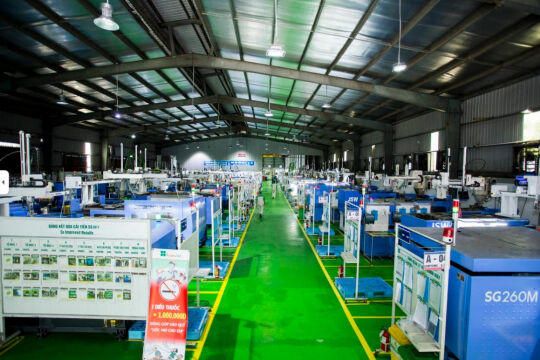
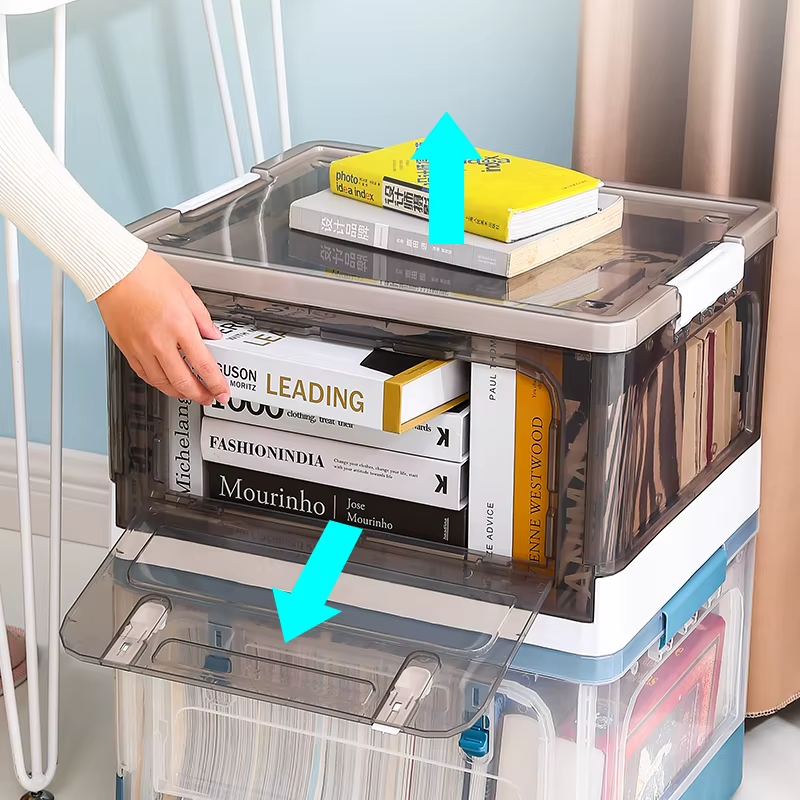
An airtight food containers manufacturer specializes in producing high-quality storage solutions designed to preserve food freshness, extend shelf life, and maintain optimal food safety standards. These manufacturers utilize advanced engineering techniques and premium materials to create containers that form complete seals, preventing air, moisture, and contaminants from compromising stored food items. The primary functions of an airtight food containers manufacturer encompass designing innovative sealing mechanisms, selecting food-grade materials, implementing quality control processes, and developing containers that meet diverse consumer needs across residential, commercial, and industrial sectors. Modern airtight food containers manufacturer operations integrate cutting-edge technology including vacuum sealing systems, silicone gasket engineering, and precision molding techniques. These technological features ensure consistent performance and reliability in food preservation applications. The manufacturing process involves rigorous testing protocols to verify airtight integrity, durability assessments under various temperature conditions, and compliance verification with international food safety standards. Applications for products from an airtight food containers manufacturer span multiple industries including household kitchens, restaurant operations, catering services, food processing facilities, and retail packaging solutions. These containers serve essential roles in meal preparation, leftover storage, bulk ingredient preservation, and transportation of perishable goods. The versatility of products from an airtight food containers manufacturer extends to storing dry goods like cereals, nuts, and spices, as well as liquid items such as soups, sauces, and beverages. Advanced models feature modular designs, stackable configurations, and transparent materials for easy content identification. Quality airtight food containers manufacturer operations prioritize sustainability through recyclable materials, energy-efficient production methods, and durable designs that reduce replacement frequency, contributing to environmental conservation while delivering superior food storage performance.

 EN
EN